Why Your Step Counter Is Not Making You Fitter (and What Actually Works)
Counting steps feels productive. But the research says it is not enough. Here is what changes behaviour.

You hit 10,000 steps today. Your app shows a green checkmark. You feel good. Then tomorrow you hit 4,000. The app shows nothing special. You feel... nothing.
 Step counting works at first. The number goes up. You feel like you are doing something. But the effect wears off. Here is why. And here is what works better.
The problem with counting
Behavioural research across dozens of studies shows a consistent pattern. External rewards (badges, numbers, streaks) work for 2-8 weeks. Then motivation drops to baseline. Sometimes below baseline, because the activity now feels like a chore without the reward.
This is called the overjustification effect. When you do something for an external reason, your brain stops generating internal motivation for it. The activity becomes transactional. Steps for a number. Movement for a badge.
Step counters lean hard into this problem. They are designed around metrics. Hit this number. Earn this badge. Keep the streak. When the metrics stop feeling rewarding, the behaviour stops.
What actually changes behaviour


Three things, according to the research:
1. Emotional connection. You do things consistently when you care about the outcome beyond the number. A person who runs because it clears their head will run for years. A person who runs to close a ring will quit when the ring stops mattering.
2. Variable, meaningful feedback. Not the same notification every day. Not the same congratulation. Real variation. A different response to a run versus a walk versus a rest day. The feedback should match the actual effort.
3. Gentle accountability without punishment. Guilt kills habits. People who feel bad about missing a workout are less likely to work out the next day. The most effective interventions celebrate what you did, not what you missed.
What this looks like in practice
A step counter says: "You walked 6,234 steps today. Great job!"
 Every day. Same message. Different number. After 8 weeks, you stop reading it.
An emotionally connected system says different things based on what actually happened. A run produces a different response from a walk. A rest day shows calm, not guilt. A good night's sleep triggers a different state from a workout. The feedback is specific to the activity. It feels real, not scripted.
This is the core design difference between a step counter and a fitness pet. A step counter reports. A fitness pet responds.
Why a pet works where numbers fail
A virtual pet creates emotional connection by design. You do not walk 10,000 steps for yourself. You walk because the pet needs movement to thrive. This is not a gamification trick. It is a relationship. Low-quality relationships with numbers fade. Relationships with characters persist.
Studies on virtual pet interventions for physical activity (Johnsen et al., 2014; Ahn et al., 2024) show children sustain engagement significantly longer with a character that responds to their movement than with a number on a screen. A step counter reports a metric. A pet creates a relationship.
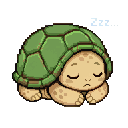
WatchieBesti is built on this principle. Five HealthKit data types (steps, active energy, heart rate, resting heart rate, workout history) drive eight real-time moods. A run feels different from a walk. A rest day shows peaceful sleeping, not failure. The pet never punishes. It reflects your real activity with honest, varied feedback.

Sources: Johnsen, K., Ahn, S. J., Moore, J., Brown, S., & Robertson, T. (2014). Mixed reality virtual pets to reduce childhood obesity. IEEE Transactions on Visualization and Computer Graphics, 20(4), 523–530. | Ahn, S. J., Schmidt, M. D., Tate, A. D., Rathbun, S., et al. (2024). Virtual fitness buddy ecosystem: a mixed reality precision health physical activity intervention for children. npj Digital Medicine, 7, 134.


See it in action
No ads, no subscription, ever. One download, and Family Sharing covers everyone on your plan.

Free to download. Family Sharing included.
Related articles
Apple Watch Family Setup for Kids: Step by Step
Step by step. No iPhone needed for the kid. Everything a parent needs to know before handing over a watch.
Kids Fitness Apps and Privacy: What Data Leaves Your Child's Device
Not all health apps are equal. Some collect analytics. Some store data in the cloud. Here is what parents need to check before installing anything on a child's watch.